REFLECTIONS : PERFORMANCE CURATED BY MATT BLACK
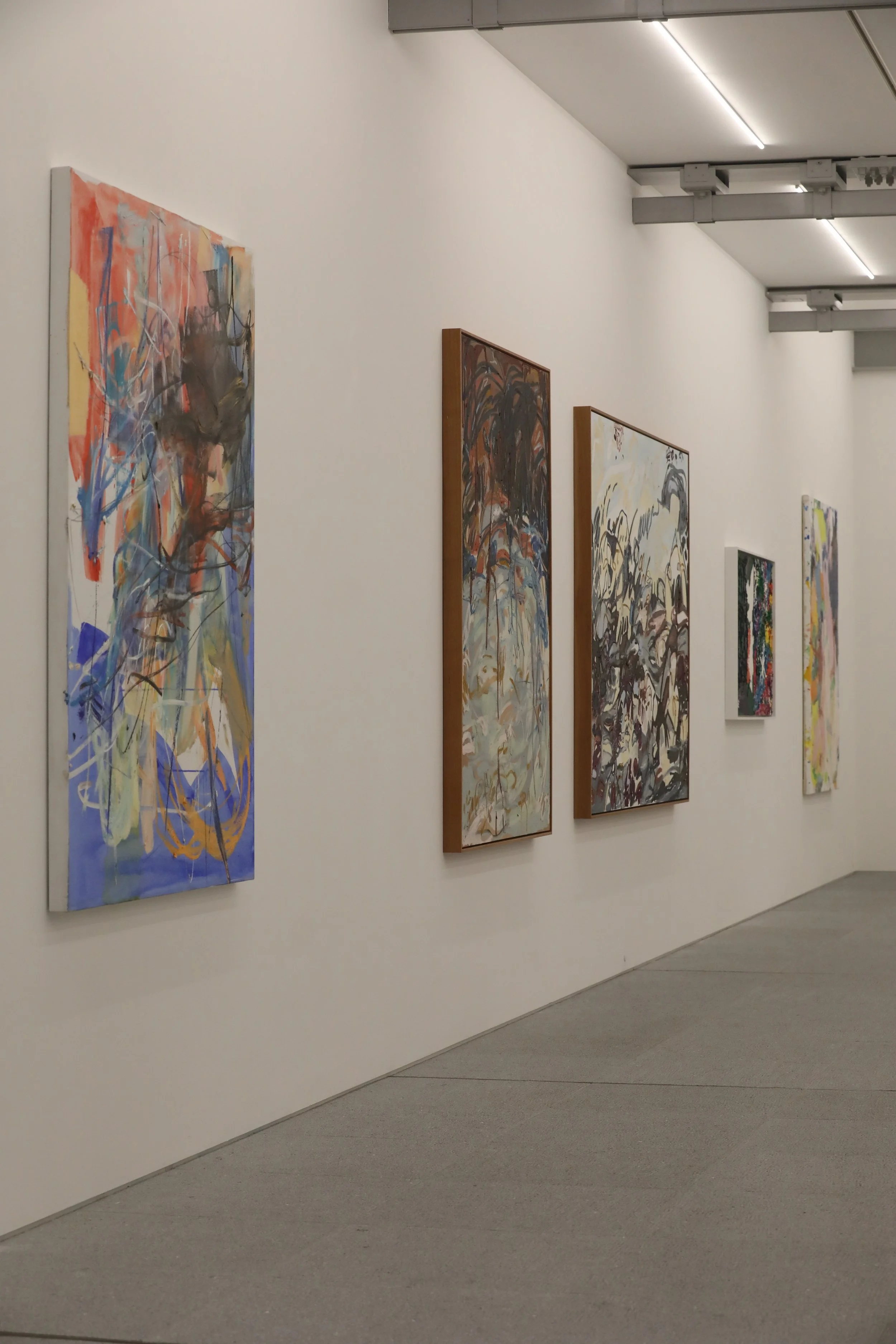
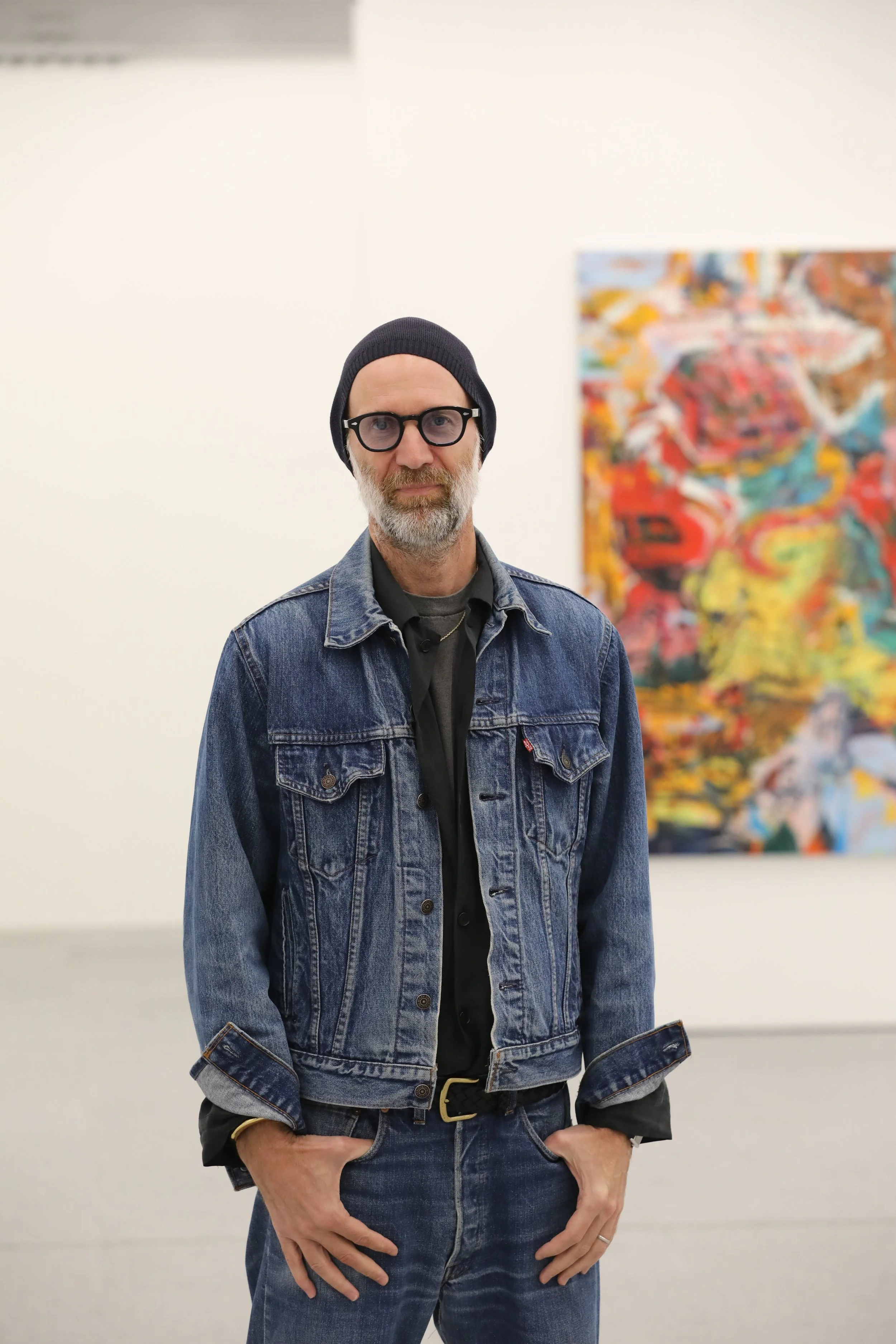
Renowned art curator Matt Black recently launched his latest show in Tokyo titled REFLECTIONS : PERFORMANCE at Common Gallery. We caught up with him briefly to get a greater insight into the body of work and how he approached the show.
Can you talk about the concept of the show? What’s behind the name Reflections Performance?
Reflections is a series I started many years ago. It began as a film series — a collection of interviews with artists, that lived on the NOWNESS platform. Each episode focused on a different artist. That project evolved into a book, Reflections: Conversations with Artists, which compiled 21 of those interviews. So the series moved from moving image into print. After that, I organised the first Reflections group exhibition in Korea around six years ago — a large-scale show with around 25 artists. Since then, Reflections has become an ongoing exhibition series that I bring to different cities around the world. Each iteration carries a subtitle, and this one is called Performance because it’s connected to the act of painting itself.
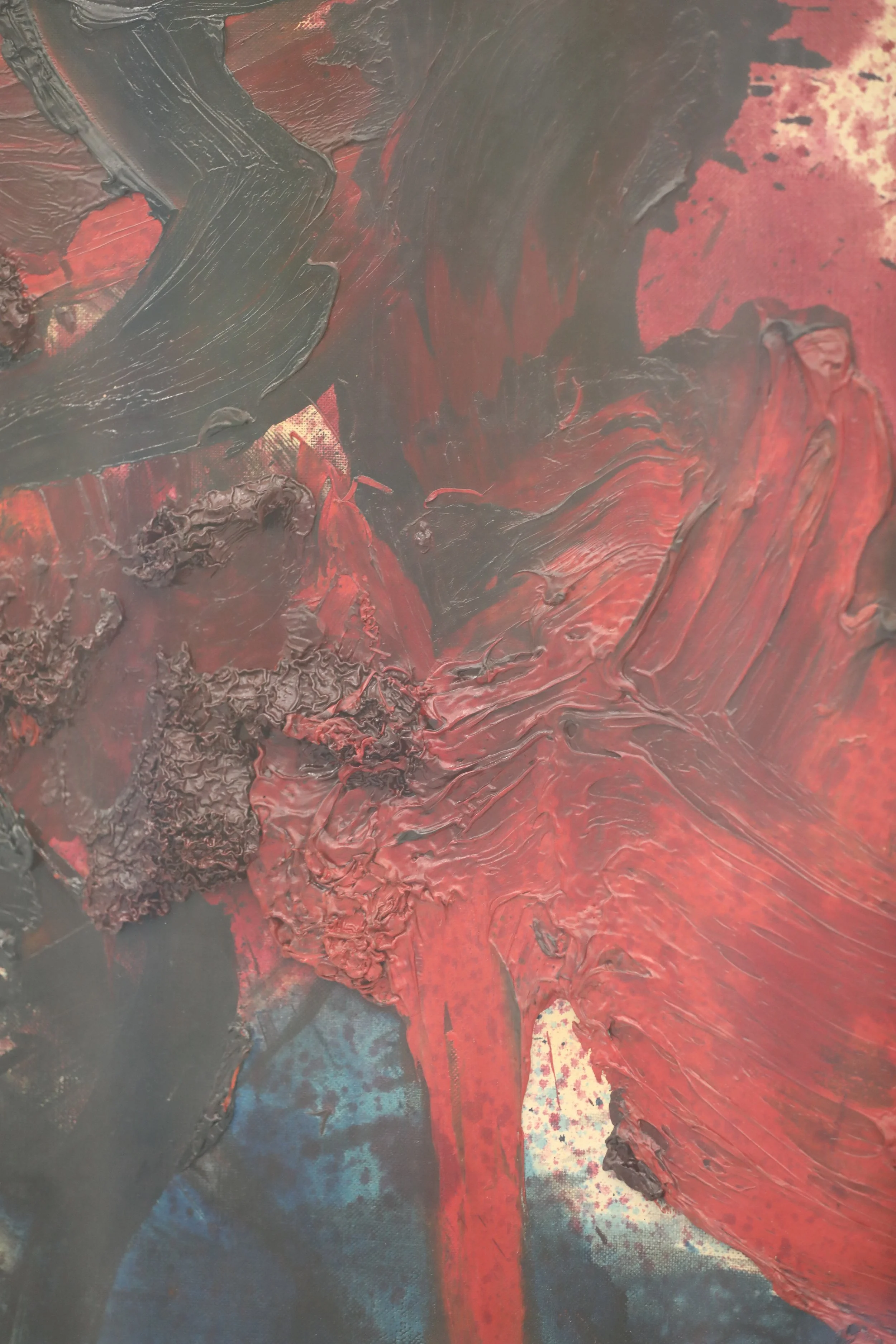
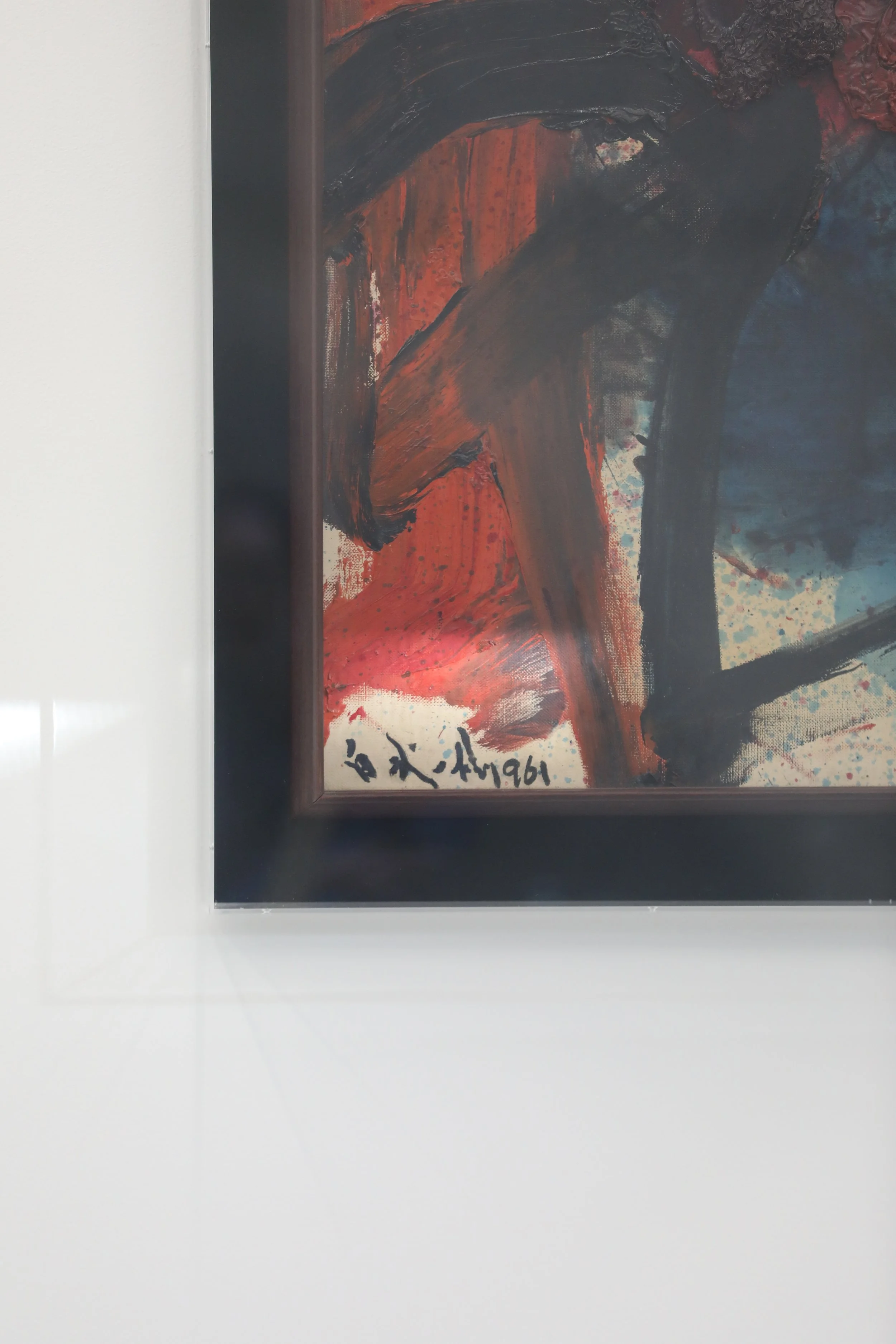
The starting point for this exhibition was reconnecting with Common Gallery, where I previously organised a show with Nate Lowman. I wanted to create a dialogue around Kazuo Shiraga, one of the defining figures of postwar Japanese art and a member of the Gutai movement. Shiraga famously painted while suspended from a rope, using his feet to move paint across canvases laid on the floor. There was a deeply performative aspect to his practice. I wanted to connect that spirit to a group of contemporary abstract painters from different parts of the world, all of whom approach painting through highly physical and distinctive processes.
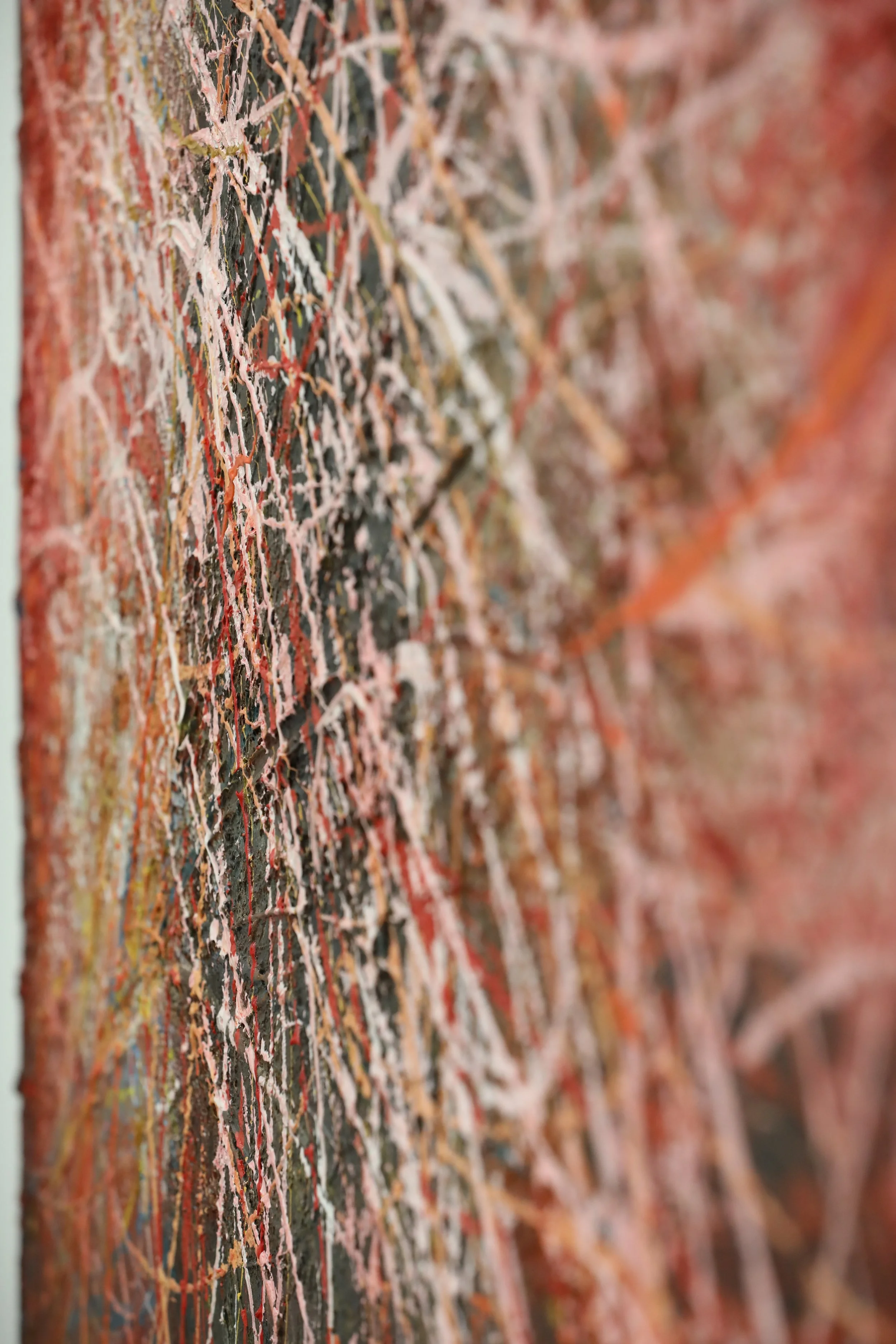
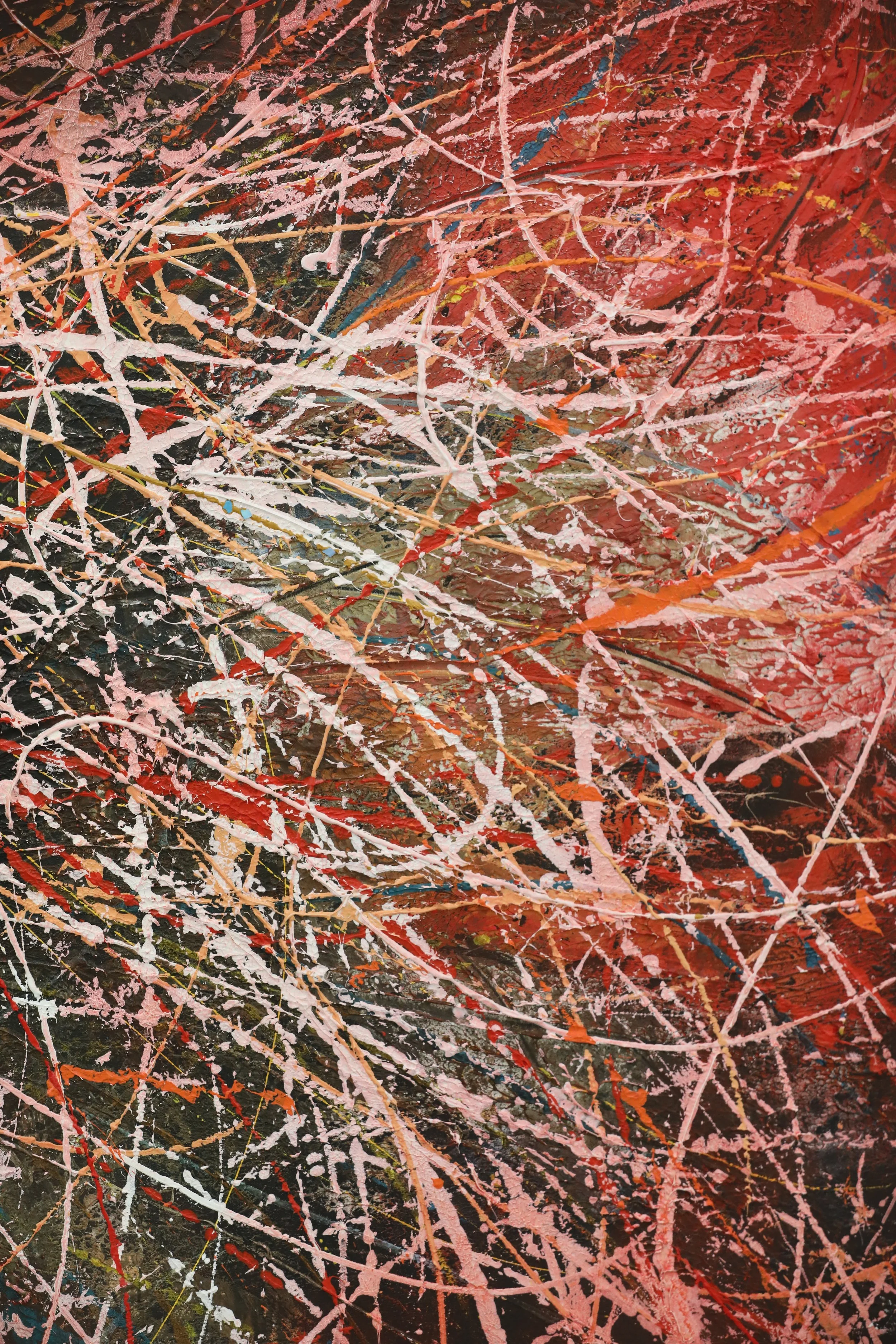
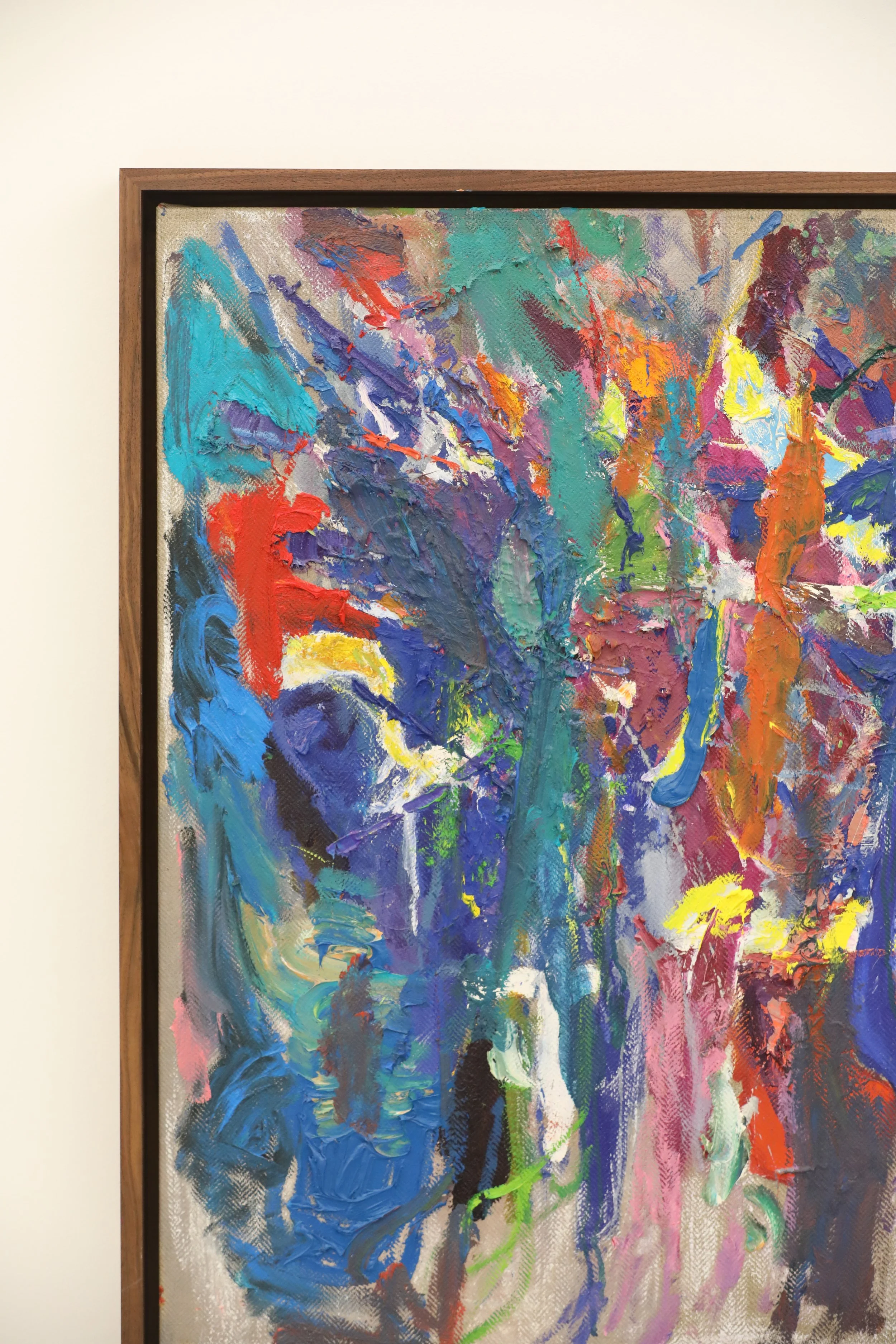
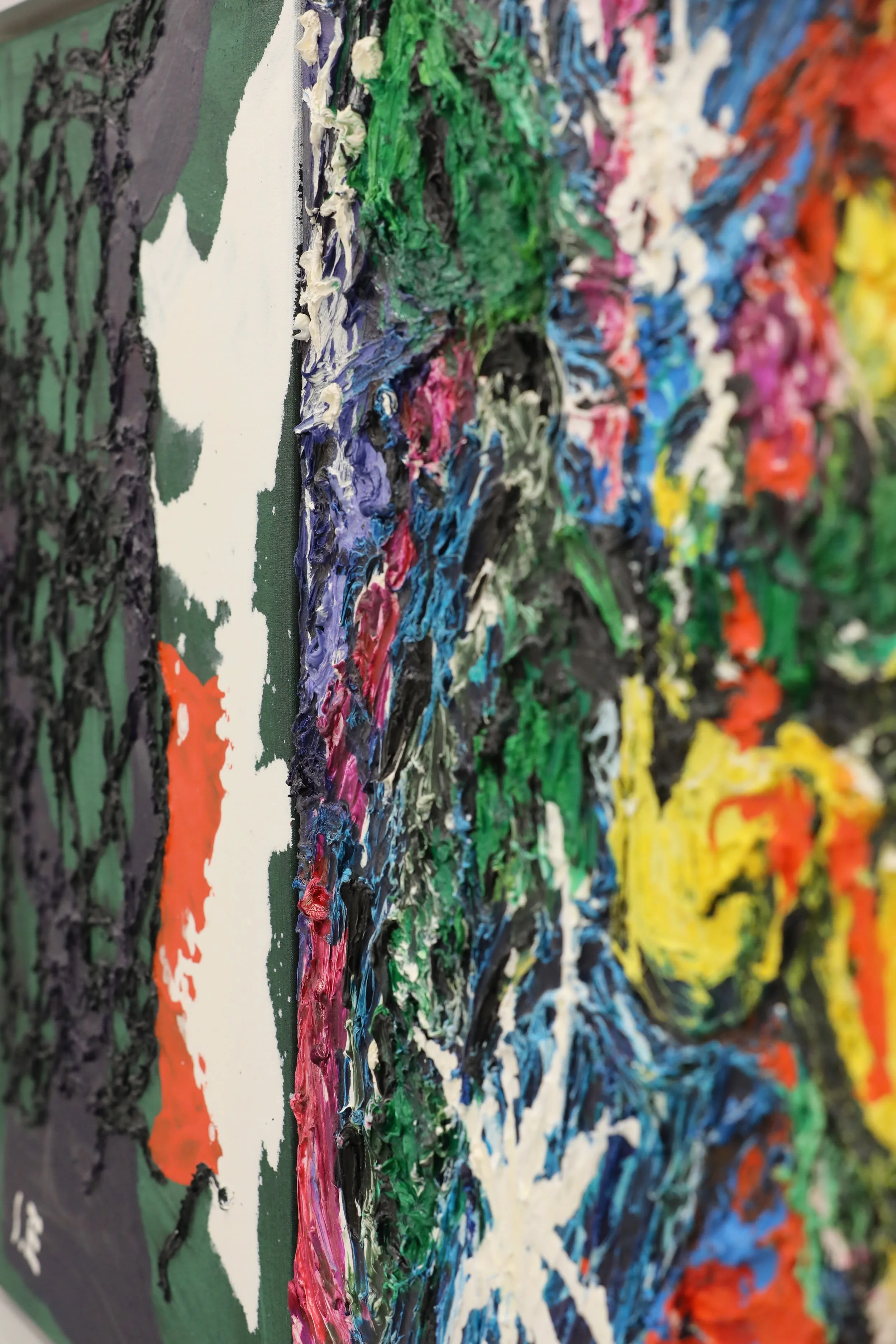
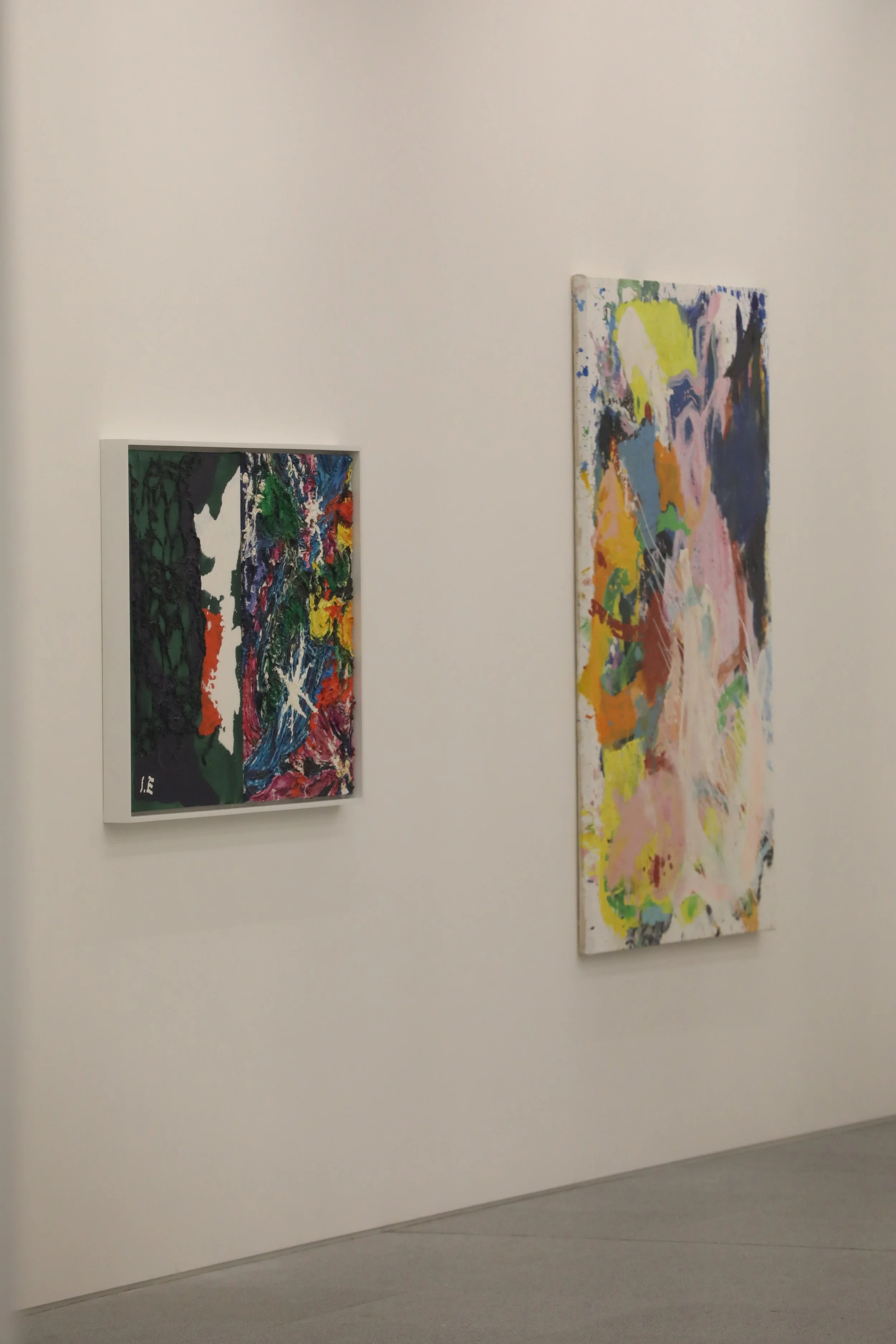
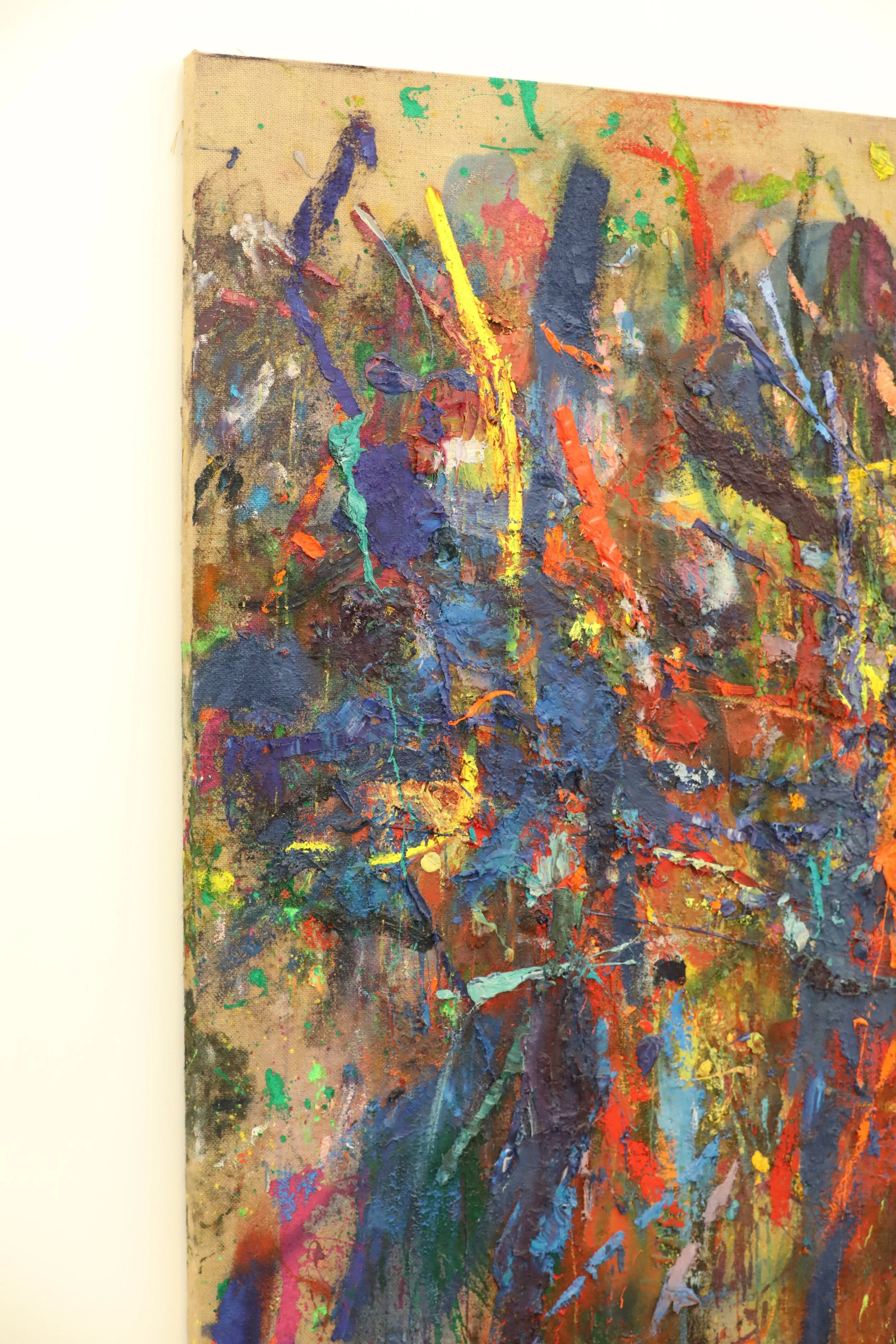
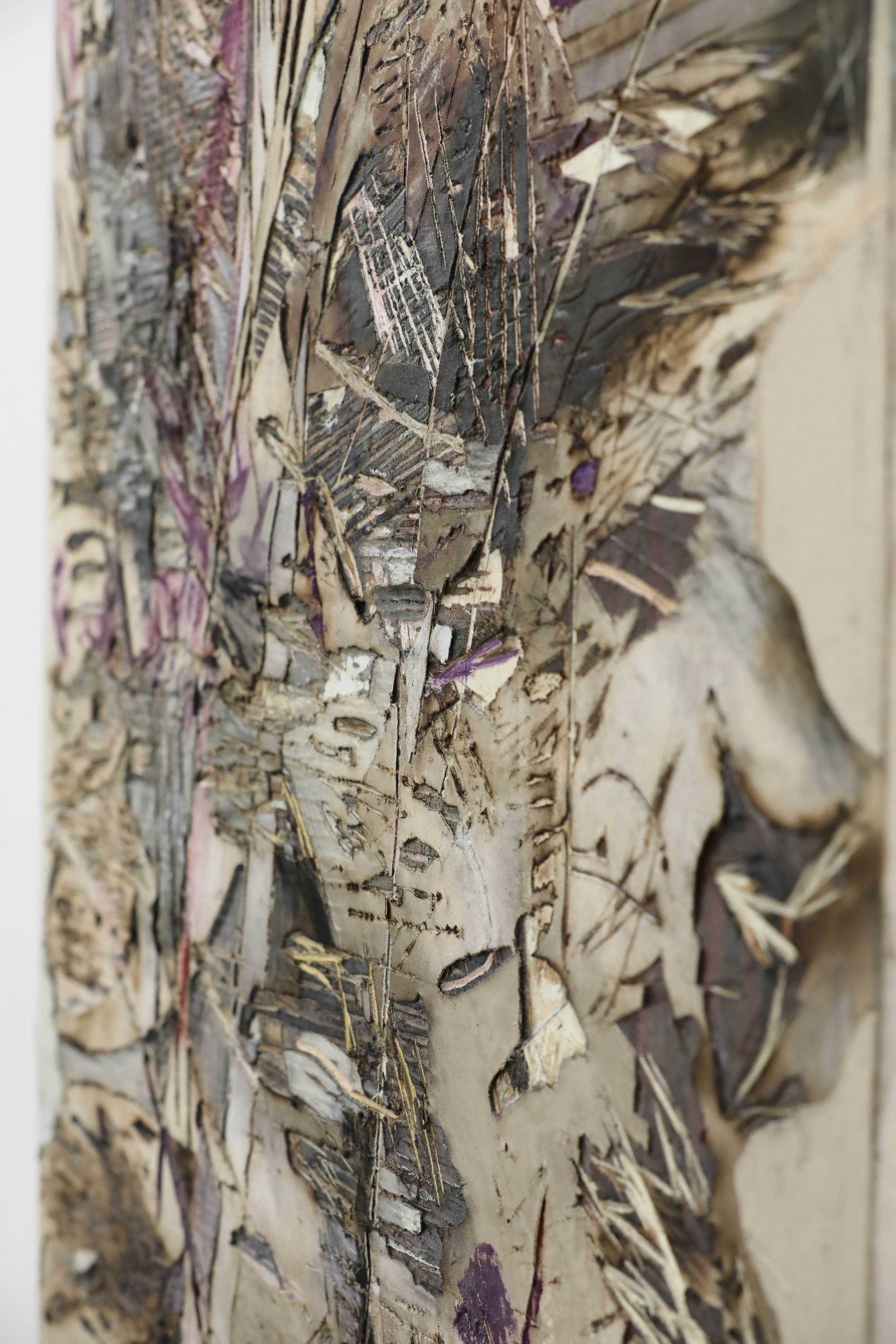
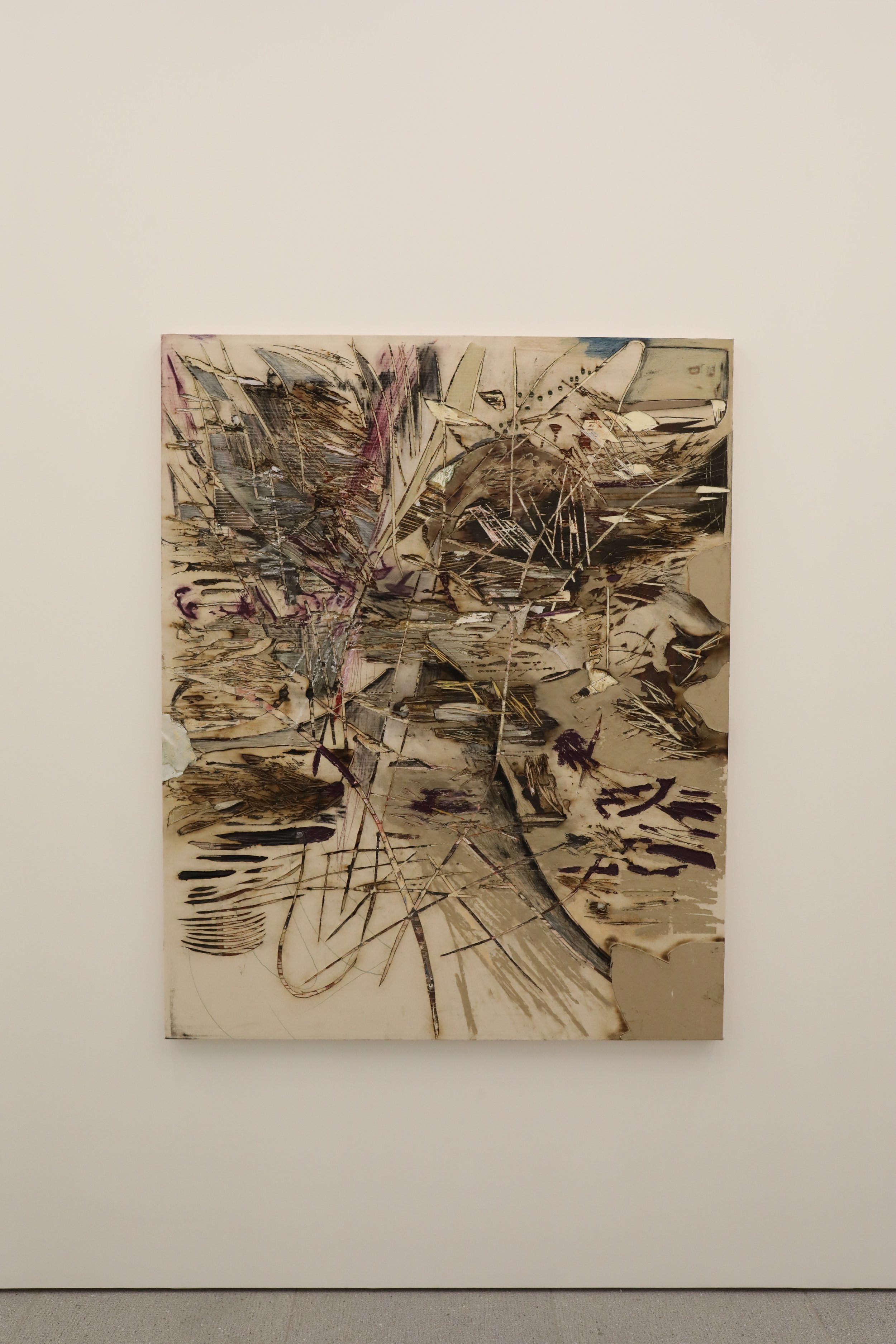
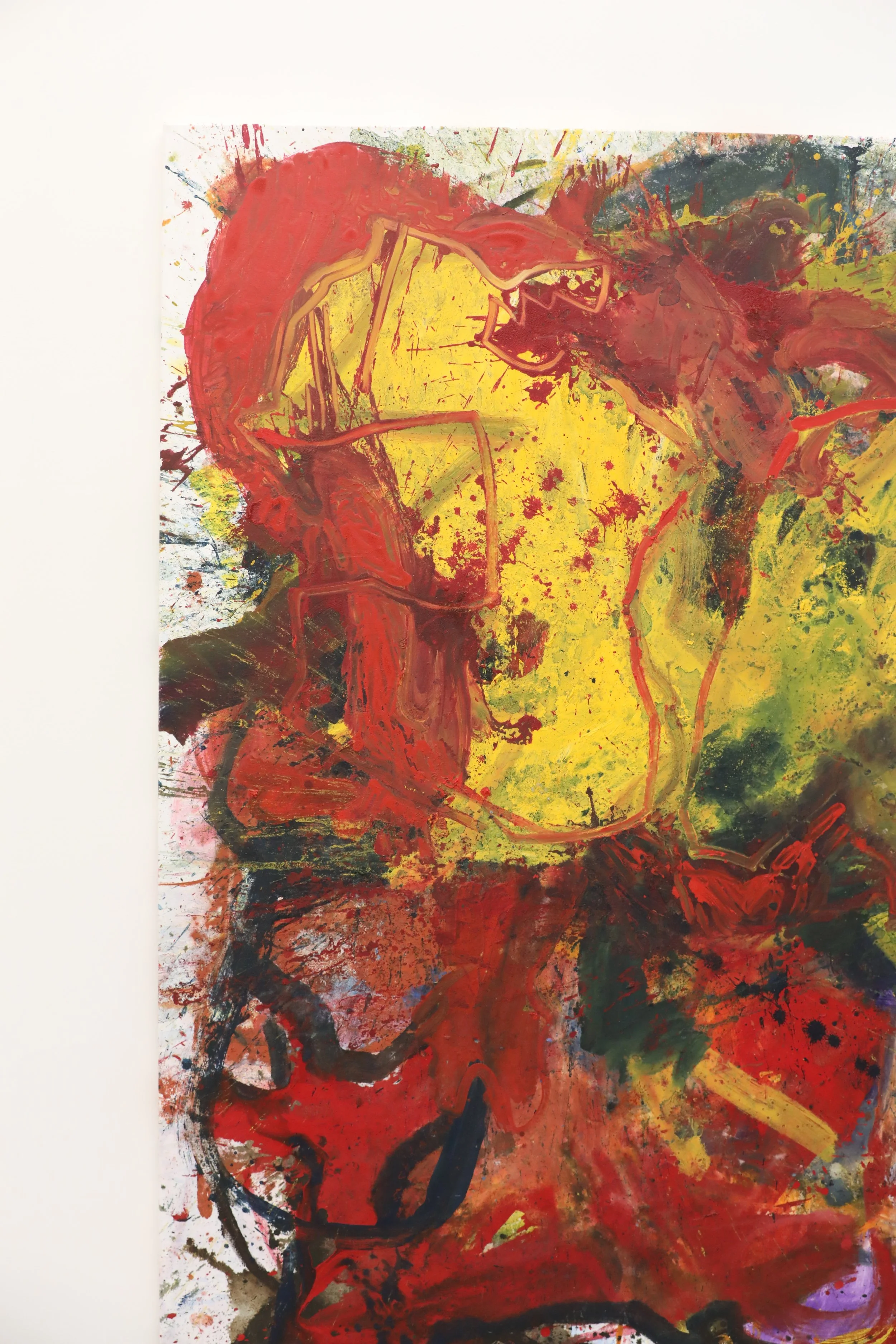
For example, José Parlá incorporates a calligraphic language rooted in graffiti culture, often working on ladders and using sweeping gestures that become almost performative. Angelo Otero paints onto plastic surfaces, peels the paint away, and reassembles it onto canvas, creating a kind of painted collage. Marco Pariani works with spray paint, stencils, and layered surfaces. Pablo Tomek paints using sponges, masking, drips, and repeated gestures. Ichi Tashiro incorporates burning and cutting into his work. Aaron Garber-Maikovska builds dense surfaces through scraping and accumulations of oil paint, while Janaina Tschäpe creates gestural compositions using oil stick on canvas. What interested me was bringing together all of these different voices — artists from Sweden, Cuba, Puerto Rico, Italy, France, Brazil, Germany, Japan, and the United States — each with radically different visual languages, but all pushing abstraction forward in 2025–2026.
Are they all part of the same community or world?
Not really. There are bridges between some of them, of course. For example, both Pablo Tomek and José Parlá come from graffiti culture, but they’re not necessarily close friends. Most of them know of each other more than they know each other personally.
What was beautiful when putting the show together was seeing the excitement the artists had about exhibiting alongside one another. Everyone would say things like, “I love that artist,” or “I’ve been following their work for years.” There’s also a generational range in the exhibition — roughly a 15-year gap between some of the older and younger artists — but they’re all very aware of one another’s practices and genuinely excited to be part of the same conversation.
By having a similar approach to their art form, are they in the same community?
I think they probably ask themselves similar questions when they enter the studio — how to confront the canvas, how to make a mark, how to communicate something through abstraction. With abstract painting, you’re always in dialogue with the history of painting and with everyone who came before you. That’s why someone like Kazuo Shiraga is so important. He pushed the boundaries of what painting could be. What was interesting is that even artists whose work doesn’t visually resemble Shiraga’s still deeply respect him. When I approached artists about participating, many immediately responded to the idea of being in dialogue with him. For a lot of them, Shiraga was someone they first encountered in museums or books when they were younger — an artist who changed the way they thought about painting. Of course, artists also joined because they trusted the curatorial vision, or because exhibiting in Tokyo was exciting to them. But the opportunity to participate in a conversation around Shiraga became a major draw for many of them.
Do you usually begin with the artists or with the theme?
For this exhibition, I started with the theme. The foundation was Kazuo Shiraga, and I worked closely with Satoru from Common Gallery. We discussed the concept, the audience, and the overall direction, then gradually built a list of artists who could contribute to the dialogue. Once you begin assembling names, the exhibition starts becoming a story. You look at how works relate to each other — they need to resonate without becoming too similar. But the exhibition only fully reveals itself during installation.
The works arrive from all over the world — upstate New York, Los Angeles, Brazil, Sweden — and until they’re physically together in the space, you don’t completely know how the conversation will unfold. You can study images endlessly on a screen, create digital layouts and renderings, but painting is physical. Once the works are installed, you suddenly experience scale, light, texture, and materiality in a completely different way. Even with the Nate Lowman exhibition, where I visited the studio constantly and worked very closely on the selection, the real understanding only happened once the works were installed by him in Tokyo.
That’s one of the exciting things about curating exhibitions: you can plan extensively, but there’s always an element of discovery once everything finally comes together in the space.
How has the feedback been since the opening?
Really positive. Before the opening, people were already very interested in the lineup. A lineup is always something organic — you begin with an idea and gradually build a group dynamic around it. Showing the exhibition in Tokyo adds another layer because, while many people are aware of the project internationally, not everyone can travel here. It’s different from doing a show in New York or Paris.
The opening itself had a great energy. You never really know what to expect with a large abstract painting exhibition — it’s not the most overtly commercial format — but the response was incredibly strong. The room was full, people were moving from one work to another, spending time with the paintings, engaging with the details and textures. The response online has also been very positive. I think audiences are looking for exhibitions that feel distinctive and carry a strong point of view. Hopefully this exhibition offers that. Of course, you’re always competing with major galleries and museums, so finding your own voice is essential.
The art world in Tokyo feels very different from New York or Paris. You’ve now done several shows here — have you seen much change since your first exhibition in Japan?
This is actually my fourth show in Tokyo. The first one happened during COVID, which was frustrating because I couldn’t fully experience it in person. That show was called I Care Because You Do and it brought together artists across abstraction and figuration — more connected through energy than through a strict theme. There was already a dialogue between established figures and younger artists. Then I organised a two-person exhibition with Sayre Gomez and Daido Moriyama at Taka Ishii Gallery. That exhibition explored Tokyo through Moriyama’s photography and Los Angeles through Gomez’s paintings. After that, I curated a solo exhibition with Nate Lowman, created specifically for the space. Nate has a unique relationship with Japan through his collaborations with Supreme, so that project approached Tokyo from another angle entirely.
This exhibition feels different again. Each project is a different form of storytelling, but they’re all connected through my own sensibility and interests. Working in Japan has been amazing — the collectors, the audiences, the people visiting the exhibitions. There’s a real level of enthusiasm and curiosity.
Are most of the buyers from Japan or internationally based?
A mix of both. Some works stay in Japan, while others go abroad. Tokyo is very Asia-centric in that sense. Collectors from places like Thailand, Taiwan, and Hong Kong often use Tokyo as an opportunity to discover and acquire work. I always try to create some form of cultural dialogue within the exhibitions. The show with Daido Moriyama was a clear example of that, but even here there’s a conversation happening between Japanese art history and contemporary international painting practices.
It seems like you’re building momentum in Japan.
It’s exciting. I’d love to eventually organise a museum exhibition here. I’ve been visiting institutions, looking at spaces, studying different programs, thinking about what could happen in the future. I’ve already done more than ten exhibitions in Seoul, and now I’m preparing my first New York exhibition next month. Ironically, I’ve only done one show in New York before because the competition there is so intense. In Tokyo, by simply shifting the geographical context, you can create opportunities to bring together an extremely high level of artists and works in a fresh way.