BLUE-COLLAR MODERNISM : A CONVERSATION WITH DAVID HELLQVIST
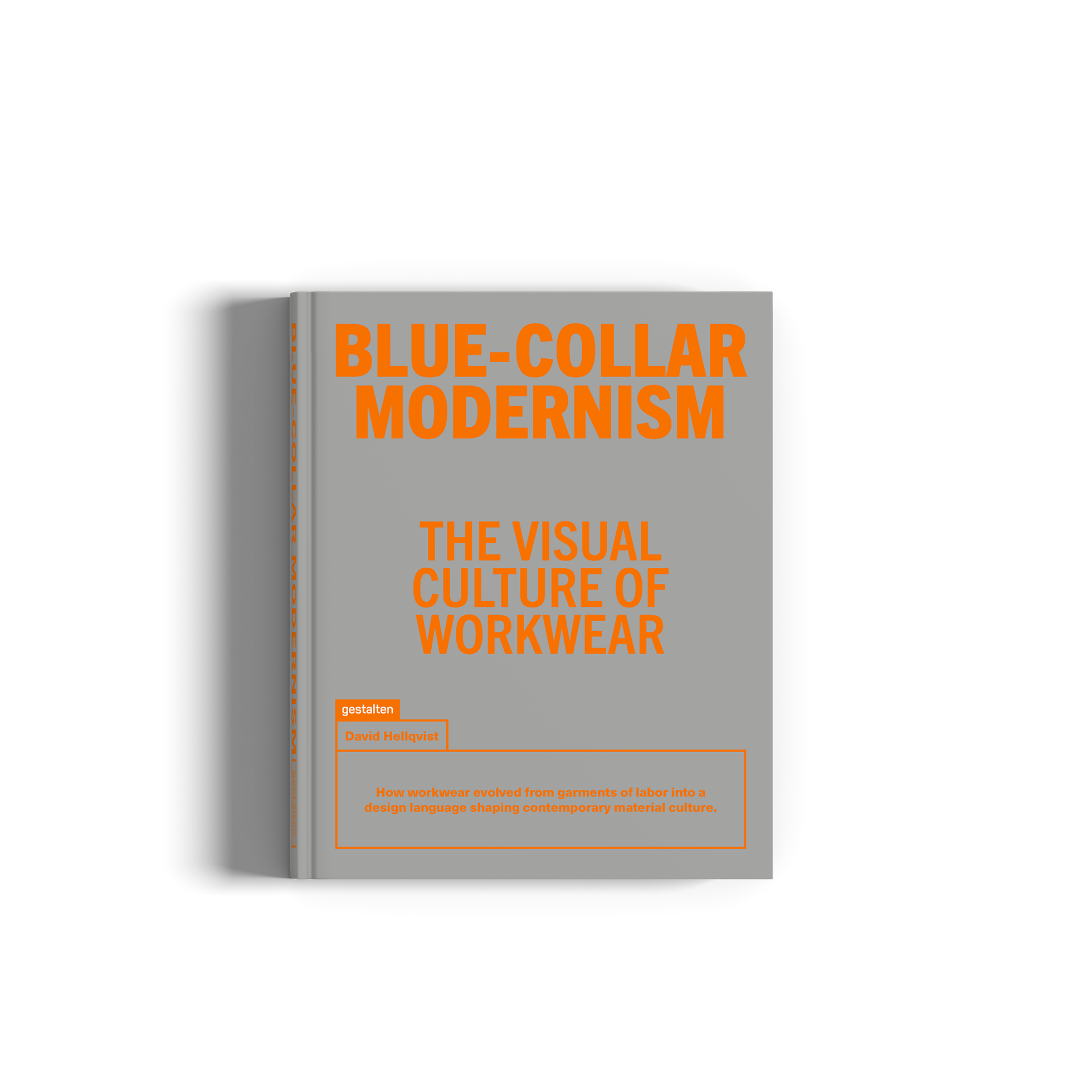
Published by gestalten, Blue-Collar Modernism: The Visual Culture of Workwear maps a shifting paradigm, following the path of workwear from its initial function as the clothing of industrial workmen to its current state as a uniform for the post-industrial generation. Throughout Blue-Collar Modernism, author David Hellqvist highlights designers who focus on continuity, mending, and plainspoken intelligence. On the one hand, he tracks the design legacy of brands like Barbour, Levi Strauss & Co., and Woolrich, showing how they have preserved their historical design language, whilst on the other he highlights a new wave of contemporary creators across the US, UK, Europe, and Japan who are adapting these honest, unsentimental codes for modern life. With the book's recent launch, we caught up with David to learn more about the project.
Hi David, what holds your interest in workwear as a topic — and why does 2026 feel particularly prescient for a book on this element of modern dress?
I’ve been attracted to the uniform element of workwear for quite some time; the fact you wear something designed with a specific purpose in mind. It’s all very ‘menswear’. Of course, it’s not always a uniform per se but that was my initial connection to the topic. Workwear, especially as how we tackle it in the book, is relevant today because of how lots of modern brands borrow from the ethos of traditional workwear to design a contemporary wardrobe. Functionality has long been a driver behind menswear, also evident in the post-pandemic gorpcore trends.
How do you define Blue-Collar Modernism?
As alluded to above, it’s the concept of modernising the age-old idea of durable and functional clothing into a wardrobe suitable to 21st century demands.
What are some of the companies you’ve chosen to include in Blue-Collar Modernism, and why have they made the cut?
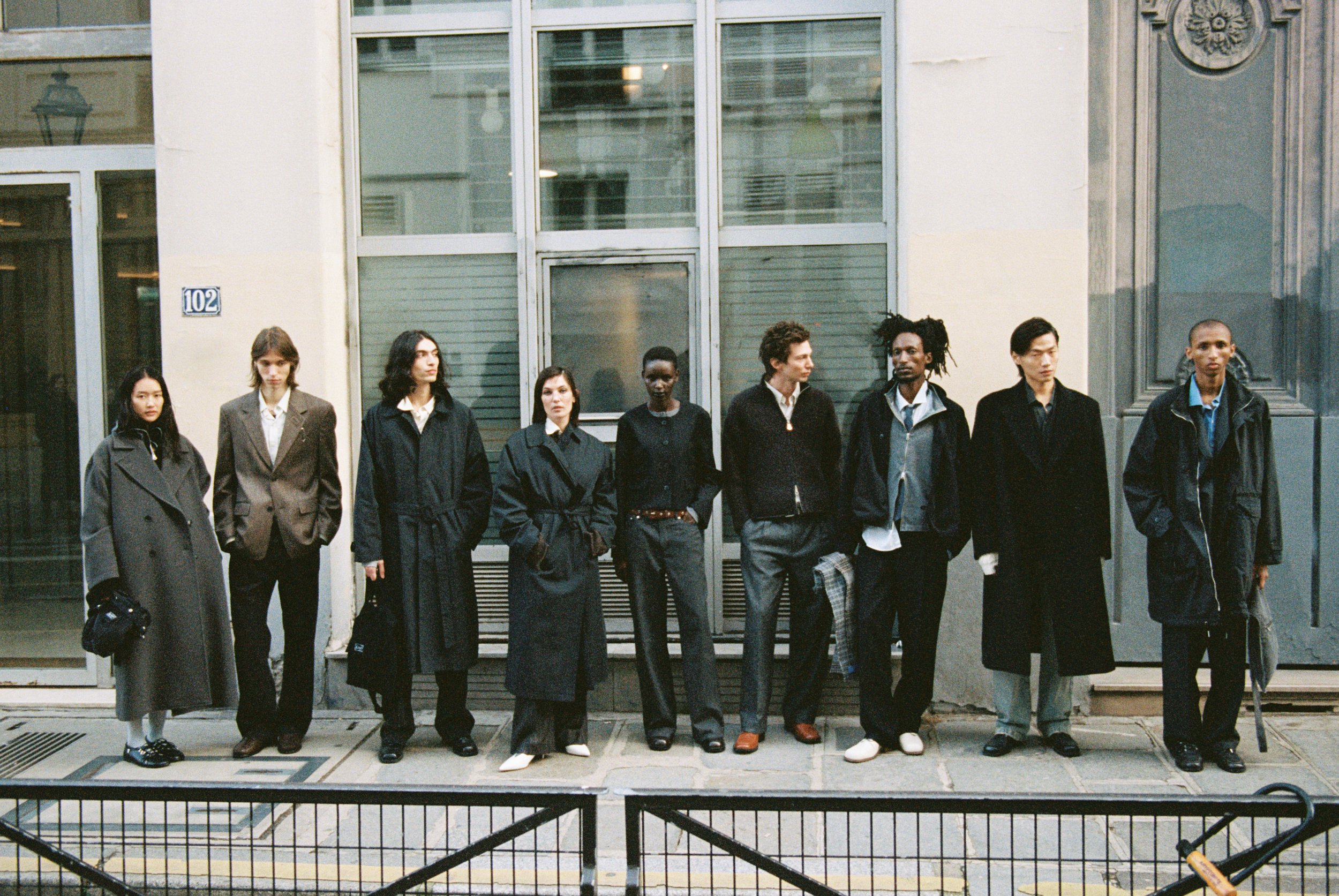
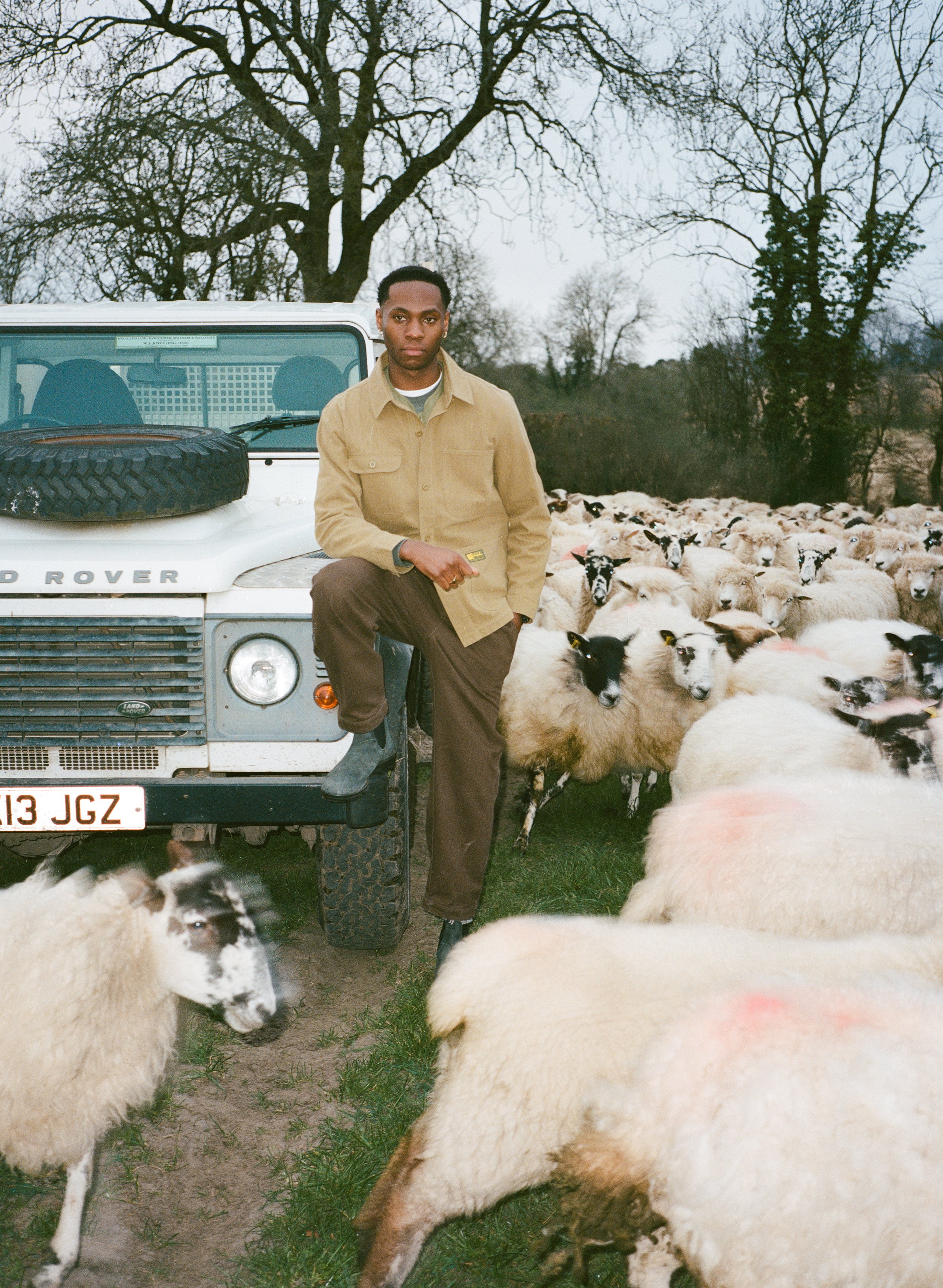
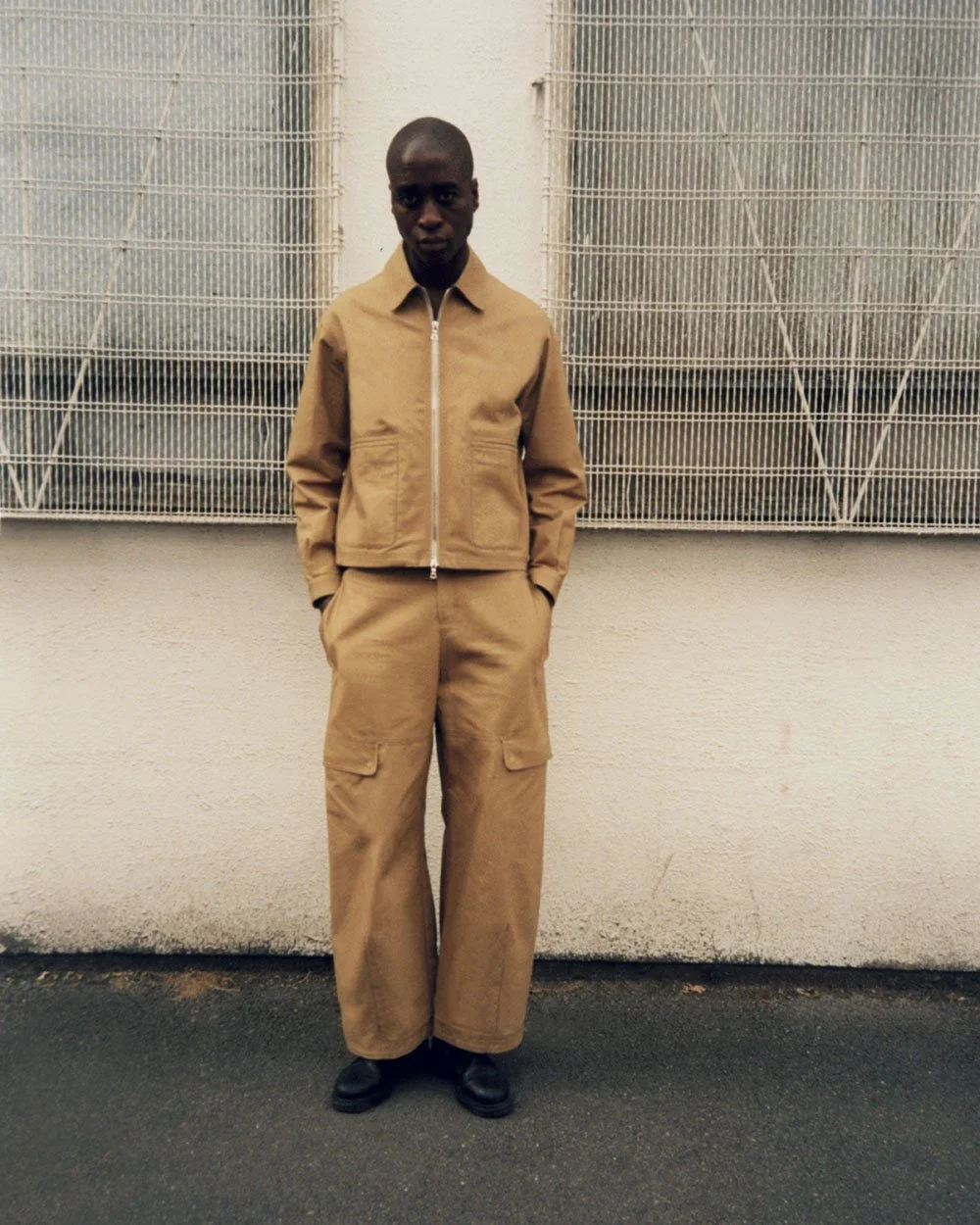
There are OG workwear brands in the book, your Levi’s, Red Wings, Barbour and Paraboot, etc. Today they are pure lifestyle brands, but they were founded with a real purpose: to clothe and equip workers. But, for me, the more interesting work was identifying newer ones, the next generation of ‘workwear’ brands — the modernism of the title, if you like. Mfpen stands out to me. Sigurd Bank started the brand making suits from leftover fabrics. The suit is modern workwear, a quasi-uniform donned when going to the office. I like how Sage Nation’s trousers nod towards Japanese construction site workwear. Or how Fera – basically a modern-day Barbour – started making clothes for the British countryside. Service Works, founded by a chef, makes lifestyle clothing inspired by the uniform of a kitchen.
Are there any inclusions or omissions you think will surprise people?
I’m sure there are quite a few classic workwear brands that I’ve omitted, and at the same time some of the more modern ones aren’t typically seen as ‘workwear’ in the traditional sense. But that’s the point of course, to broaden the term and open it up for a new interpretation. There are also profiles on various creatives. Yes, some of them are designers, or at least affiliated with brands – such as Kenneth Mackenzie (6876), Carlo Rivetti (Stone Island), Lorenzo Osti (C.P. Company), Aitor Throup and Aaron Levine – but some are also cultural connectors exploring their own ideas of how to actually wear workwear: Chef Fergus Henderson, artists Humphrey Oceans and Danny Fox, and professor Andrew Groves etc.
The book is presented as a ‘comprehensive geopolitical survey of how utility has matured into a powerful form of self-definition across creative culture’: The geopolitical aspect is interesting; does this statement relate to the way that workwear may signify a different set of values and/or class codes depending on where it is worn?
I’d say it refers to us looking at what form workwear takes like in different areas of the world. In the book there are four essays investigating brands and their cultural connection in USA, Japan, France and the UK. In one way it was a good way to include brands I couldn’t give an entire chapter to, but I was also able to, for example, thread the history of Japanese workwear from their very traditional outfits to the hyper-technical stuff we all know and love them for today.
We’re excited to dive in further. Where can people find the book?
Either on Gestalten.com, but you can also get it from a link in my Insta bio.